Skip to content
At Lumigy, we believe that great lighting is the invisible thread that weaves a retail space together. We’ve all walked into a store where the products practically leap off the shelves, the atmosphere feels inviting, and you just want to linger. On the flip side, we’ve also experienced the clinical, harsh glare of a space that feels more like a hospital wing than a boutique.
The difference isn't just "good taste": it’s science.
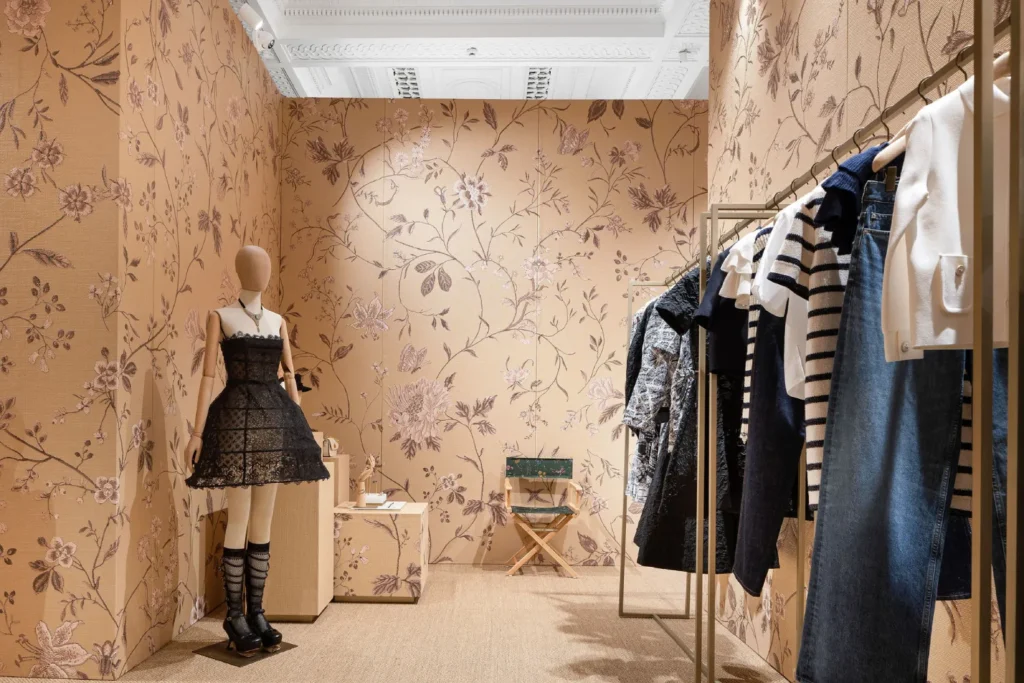
When we talk about professional architectural lighting design, we aren't just picking out pretty pendants. We are engineering an environment. To show you exactly what goes on "behind the glow," we’re pulling back the curtain on one of our favorite recent retail projects: Beautiful Things.
By using this project as a case study, we’ll explore the five technical essentials that transform a simple floor plan into a high-performing retail destination.
The Project: "Beautiful Things"
To set the stage, the Beautiful Things project required a delicate balance of functional task lighting and decorative flair. We utilized a total of 34 fixtures to achieve a massive 39,520 total lumens. The toolkit included:
- Lumigy Luxe Track Light: For flexible, high-intensity highlighting.
- Lumigy Solo Downlight and Lumigy Boost Downlight: To provide a clean, architectural base.
- Alice Scallop Rattan Pendant and Umage Eos: To inject personality and organic textures.
- LED Strip: For those subtle, high-end "glow" details under shelves and joinery.
The result? An average of 602 lux across the store: a sweet spot that ensures visibility without overwhelming the senses.
1. Photometric Plans: The Science of Distribution
At Lumigy, we don’t guess; we calculate. A photometric plan is essentially a digital map of how light will behave within a specific space. It takes into account the ceiling height, wall reflectance, and the specific output of every fixture.
For the Beautiful Things store, we didn’t just place 34 lights and hope for the best. We ran photometric simulations to ensure we hit that 602 lux average. In retail, lux levels are pivotal. Too low, and your customers can’t see the fine details of your products. Too high, and the space becomes uncomfortable.
A professional photometric plan allows us to:
- Identify "dead spots" where shadows might hide merchandise.
- Ensure the light is directed exactly where it's needed (the product!) rather than wasted on the floor.
- Verify that the 39,520 lumens are distributed efficiently across the entire footprint.

Alt text: Beautiful Things photometric plan from the design document (page 1), showing the lighting layout and calculated lux levels across the store.
2. Fixture Schedules: The Blueprint for Success
If the photometric plan is the "why," the Fixture Schedule is the "what" and "how." At Lumigy, we understand that a project involves many moving parts: electricians, builders, and procurement teams. A detailed fixture schedule is the ultimate source of truth.
Our schedule for Beautiful Things wasn't just a shopping list. It was a comprehensive breakdown that included:
- Fixture Types: Luxe Track Lights, Solo/Boost Downlights, etc.
- Wattage and Lumens: Ensuring the power load is managed.
- Beam Angles: Essential for the track lights to ensure they hit the displays precisely.
- Colour Temperature (K): Keeping a consistent warmth throughout the store to maintain the brand’s "friendly" vibe.
Without a rigorous fixture schedule, installation becomes a nightmare of guesswork. With it, the transition from our Architectural Lighting Supply to the finished ceiling is seamless.
3. False Colour Renders: Visualizing Intensity
Numbers on a page are great, but seeing is believing. False colour renders are one of the most powerful tools in a lighting designer’s arsenal. These renders use a thermal-style colour gradient to represent light intensity (lux levels) throughout the room.
In the Beautiful Things project, the false colour render allowed us to see exactly where the "hot spots" were. By viewing the space through this lens, we could see that our Luxe Track Lights were providing the punchy highlights needed for the main displays (the reds and yellows in the render), while the Umage Eos and Rattan pendants provided the soft, ambient fill (the blues and greens).
This step is essential for ensuring uniformity. You want contrast in retail to draw the eye, but you don't want "patchy" lighting that makes the store look unfinished.

Alt text: Beautiful Things false colour render from the photometric plan (page 3), showing lux heatmap intensity across the sales floor and display zones.
4. 3D Modelling: Seeing the Future
At Lumigy, we recognize that most business owners find it hard to visualize a lighting plan from a 2D drawing. That’s why 3D modelling is a non-negotiable part of our Bespoke Lighting Design process.
We build a three-dimensional replica of your space, including furniture, shelving, and even textures. This allows us to place our digital fixtures: like the Rattan Pendants and Umage Eos used in Beautiful Things: into the environment to see how they interact with the physical layout.
3D modelling helps us answer critical questions before a single hole is cut in the ceiling:
- Does the pendant hang too low over the counter?
- Do the Luxe Track Lights create glare on the window glass?
- How does the LED strip reflect off the floor surfaces?
By iterating in a 3D environment, we save our clients time and money, eliminating the need for "on-site fixes" later.

Alt text: Beautiful Things 3D render from the photometric plan (page 4), showing the store fit-out, shelving, and the lighting layout with track lighting, downlights, pendants, and LED strip.
5. Luminaire Specs: Performance and Compatibility
The final technical essential is the deep dive into Luminaire Specifications. Not all LEDs are created equal. When we selected the Solo and Boost downlights for this project, we weren't just looking at the trim colour. We were looking at the CRI (Colour Rendering Index), the dimming compatibility, and the thermal management of the fixture.
In retail, a high CRI is pivotal. You want the "Beautiful Things" in your store to look exactly as they should: vibrant and true to life. If you use low-quality luminaires, your blues might look green, and your reds might look muddy.
Furthermore, we ensure all components: from the LED strip to the track heads: are technically compatible with the site's control systems. Whether it’s a simple dimming switch or a complex automation system, we ensure the "glow" stays consistent and flicker-free.
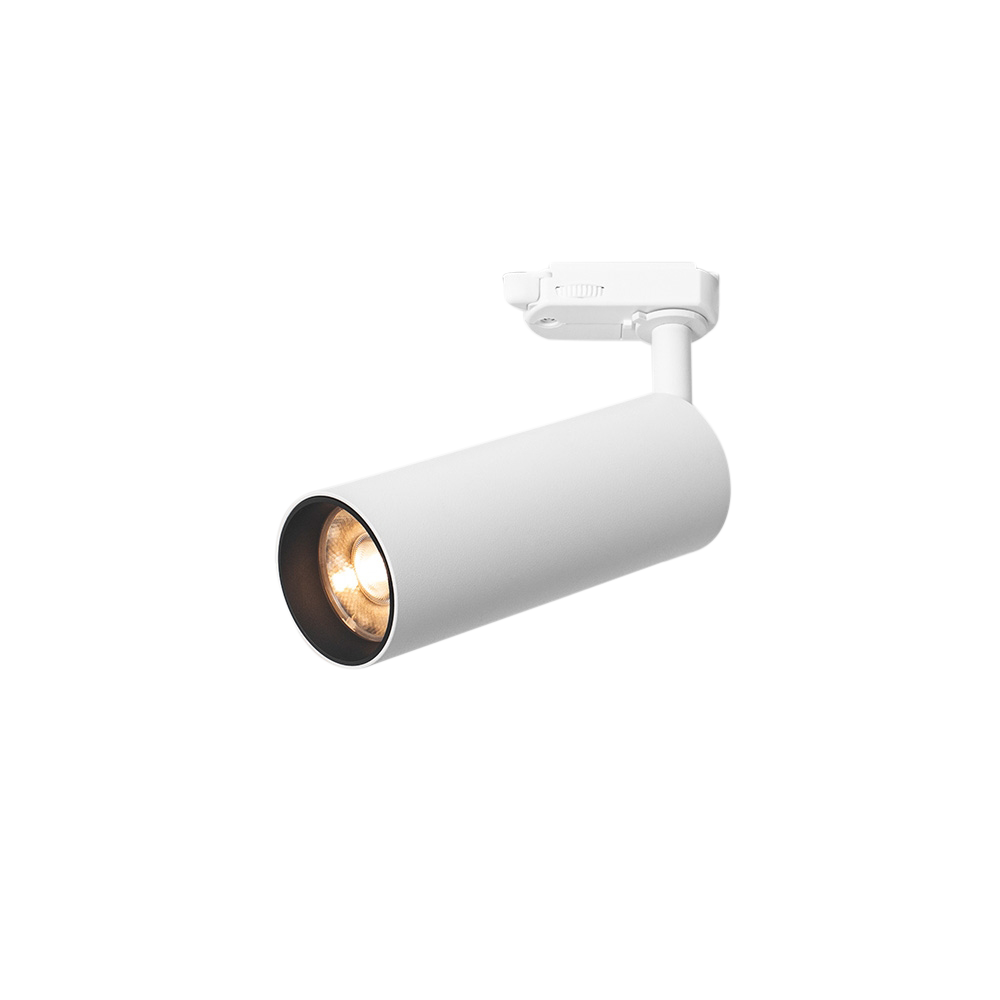
Alt text: Close-up product image of the Lumigy Luxe Track Light, highlighting its sleek architectural design and premium finish.
Why Technical Design Matters for Your Brand
It’s easy to think of lighting as an afterthought, but as the Beautiful Things project proves, it is a strategic investment. By combining the art of design with the rigour of photometric science, we created an environment that doesn't just look "nice": it performs.
At Lumigy, we are more than just a supplier; we are your strategic partner in shaping how customers experience your brand. We understand that your retail space is a stage, and the lighting is what tells your customers where to look and how to feel.
Whether you are looking for Bespoke Lighting Design or need a reliable partner for Architectural Lighting Supply, our team is at the forefront of the industry, ready to transform your vision into a brilliant reality.
Ready to get behind the glow?
Explore more of our work on our Projects page or get in touch with us today to discuss how we can illuminate your next venture.
About Lumigy
Based in Australia, Lumigy is a pioneer in lighting solutions. We specialize in everything from high-end retail fit-outs to commercial architectural projects. Our mission is simple: to provide friendly, expert guidance and world-class lighting products that help your business shine. Learn more about us here.